
We've got 8 products for you
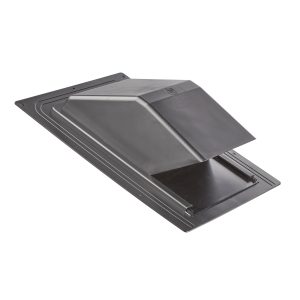
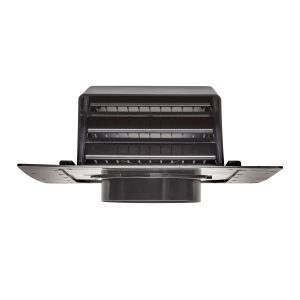
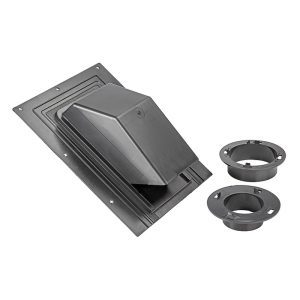
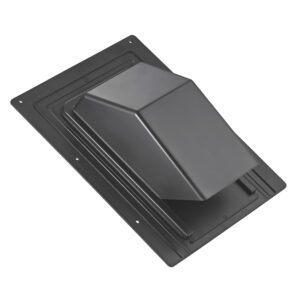
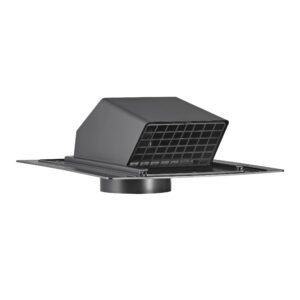
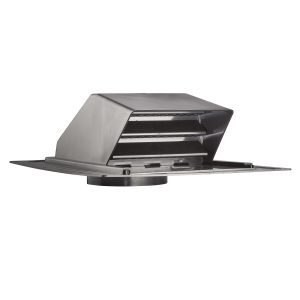
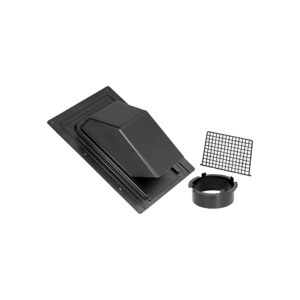
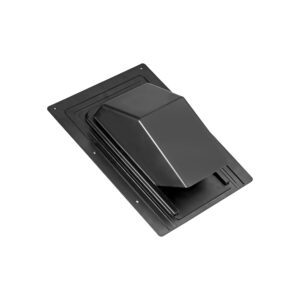
Plastic roof vents are ventilation caps made of durable plastic, designed to be installed on a pitched, shingled roof to expel moist air from clothes dryers, bathroom or kitchen exhaust fans. They are used for new or replacement installations and often feature a built-in damper to prevent backdrafts, a screen to keep out pests and birds, and a stem to connect to the ductwork. It is critical to use a roof vent with a removable screen to vent dryer exhaust and follow installation instructions, as some plastic components can pose fire risks.
Key features
- Material: Made from durable, weather-resistant plastic, such as ABS or high-density polyethylene (HDP), often with UV inhibitors to prevent fading from sun exposure.
- Damper: A built-in damper opens when the fan is running to allow air to escape and closes when the fan is off to prevent backdrafts and outside air from entering.
- Screen: A pre-installed screen prevents pests and birds from entering the ductwork when the fan is not in use.
- Installation: Designed for easy installation on pitched, shingled roofs and includes a stem or collar to connect to the ductwork.
- Application: Used for bathroom and kitchen exhaust, as well as other general ventilation needs where moist air needs to be expelled.
Important considerations for installation
- Roof type: This type of vent is specifically designed for shingle roofs. Other types of roofs may require different venting solutions.
- Ductwork: Ensure the ductwork is sloped towards the exterior in the loft space to prevent condensation from dripping back into the home, especially for bathrooms.
- Dryer use: For dryer exhaust, the screen must be removed to prevent lint accumulation, which is a fire hazard. Some vents have a removable screen, while others have a built-in damper that allows airflow without a screen.
- Fire risk: Avoid using flexible plastic or foil ducts, as they can easily rip, burn through, and are a major fire hazard due to lint buildup. Always use rigid or flexible metal ducting for the entire length of the vent from the dryer to the roof.
- Building codes: Always check local building codes for proper installation procedures and materials.
- Maintenance: Regularly check the vent for lint buildup and clean as needed to prevent fire hazards.